How to Maintain a Healthy, Balanced Diet Plan
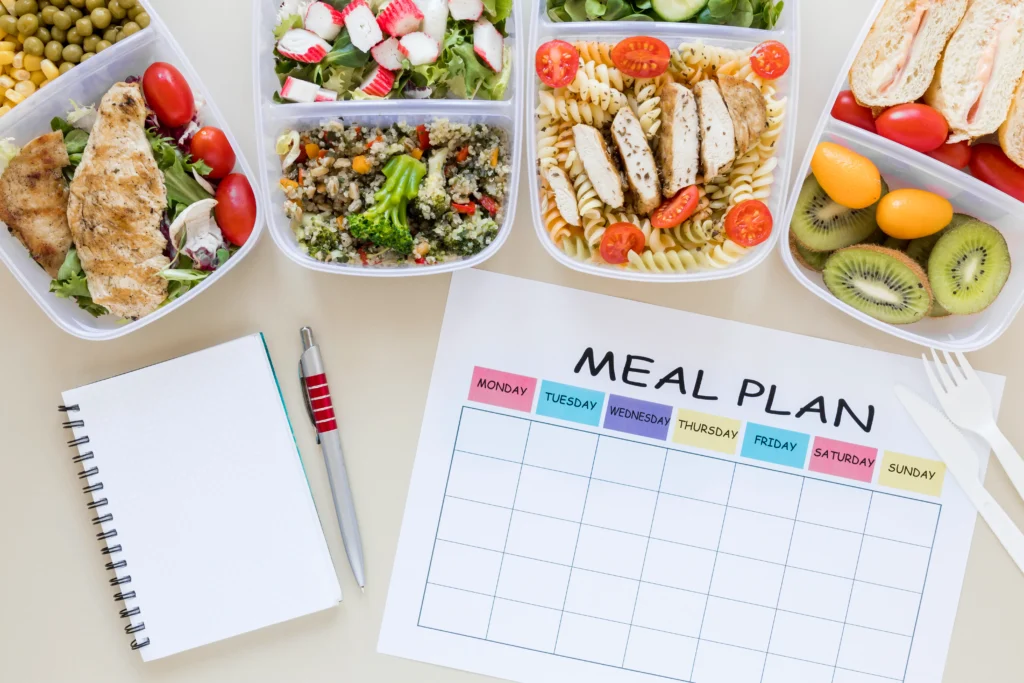
Image From Freepik
Let’s be real, eating healthy sounds great in theory, but staying consistent with a healthy and balanced diet plan? That’s the real challenge.
At the beginning, you start with motivation, but then life gets busy, and that motivation slowly fades away. And that’s the real struggle with a healthy diet, we all can relate to.
The fact is, motivation doesn’t last forever. But habits do—if they can sustainably fit into your routine.
If you are not sure how to start Eating Healthy or struggling to maintain a healthy eating habit, I’ve got you covered.
So, without any further delay, let’s explore the simple strategies I personally found very helpful to eat healthy and stay consistent with a Balanced Diet Plan without forcing it.
What is a Balanced Diet
So to begin with, a balanced diet is basically eating a wide variety of foods in the right proportions, thus your body gets everything to function properly.
For a balanced diet plan, the most important factor is how you plan your meals. A balanced meal has four main components:
- 50% Vegetables and fruit
- 25% Lean protein
- 25% Whole grains
- A little amount of Healthy fats
That’s the complete plate that provides enough protein to keep you full for longer, fibres to boost your digestion and nutrients for energy.
Key principles of a balanced diet
Okay, to be honest, there isn’t any perfect diet that can work for everyone. A balanced diet plan will vary from person to person, based on their activity level, fitness goals, age, gender and body’s unique needs. But according to the British Nutrition Foundation, there are six key principles for a healthy, balanced diet that can guide you.
- Try to eat at least 5 different types of fruits and vegetables each day, combined.
- Choose fibre-rich foods like whole grains, oats, beans, and lentils to support digestion.
- Add different protein sources during the week on rotation. Like chicken, fish, eggs, beans, tofu, or meat.
- Include dairy foods or dairy alternatives.
- Use healthy fats like olive oil, nuts, and seeds, but keep the portions small.
- Reduce food and drinks with high fat, salt, and sugar.
What is a Balanced Diet Plan?
When we talk about a healthy and balanced diet, it’s not only what we eat, it’s about how we eat….
A Balanced Diet Plan is a combination of your lifestyle, habits and relationship with foods. To maintain a balanced diet, you don’t have to eliminate an entire food group or follow a bunch of rules. You just need to find your own ways to eat healthy that fit sustainably into your daily routine, so you don’t need to force yourself.
How to maintain a Balanced Diet Plan?
For a long time, I struggled to stay consistent with healthy eating. My hormonal cravings because of PCOS made it even harder. Some days I felt in control. Other days, not at all.
But over time, I found some simple strategies that helped me to change my relationship with food and stay consistent with a Balanced Diet Plan. These helped my husband, too. And I truly believe they can help you.
So let’s explore what actually works.
1. Don’t Aim for Perfection
Eating healthy is not about being perfect. It’s about being consistent. If you try to eat “clean” all the time, one small slip can feel like failure. Then you give up. You’re building habits, not following strict rules. Leave room for real life—special occasions, busy days, cravings. An unplanned meal once in a while is okay. If one meal is heavy, the next one can be lighter. That’s it, no guilt, balance.
2. Don’t Forget Micronutrients
Your body needs the right balance of vitamins and minerals to support your immune system, help regulate hormones, support metabolism, and keep your energy steady. A Balanced Diet Plan isn’t complete without micronutrients, and to get them, you need to include a variety of foods in your meals during the week.
But even with a healthy diet, it’s not always easy to balance everything perfectly and get every single micronutrient your body needs, especially Vitamin D, Omega‑3, and B‑vitamins (B6, B12, Folate). That’s why I take a simple daily multivitamin to help fill small gaps. I also take a probioticto support gut health, especially on days when I don’t eat enough fermented foods.
3. Understand What’s on Your Plate
The key to maintaining a balanced diet is understanding what is in your meal. It will help you identify if your meal has the proper sources of protein, carbs, fibre, healthy fats and micronutrients. When you know what’s on your plate, you can spot small imbalances, like if there’s less protein or fibre, then you can fix them in the next meal.
4. Pick Meals That Are Healthy, Delicious, and Easy to Make
If your meals are boring or hard to cook, you won’t be able to stick to them for long. Choose simple meals you actually enjoy so they fit into your routine easily. You don’t need fancy ingredients or tools. Some basic kitchen tools can make the journey more convenient.
These are my favourite Kitchen essentials that make my meal prep and clean up a lot easier.
| Product | Why You’ll Love It | Shop Now |
| Non-Stick Pan | This Ninja Frying pan is a great choice—it heats evenly, prevents sticking, requires less oil and is easy to clean. It’s also oven-safe and dishwasher-safe, and compatible with all stovetops—including induction. | Check Out at Amazon |
| Air Fryer | I’ve been using it for 3 years. It’s a game-changer, perfect for healthy cooking, saving time, and making cleanup a lot easier. | Check Out at Amazon |
| Food Processor & Blender | A complete all-in-one solution with multi-functional features — blend, chop, slice, puree, and mix, replacing several appliances in one. | Check Out at Amazon |
| Rice Cooker | It’s best for hassle-freeperfectly cooked rice every time. Plus, it can steam, slow cook, or make porridge for easy meal prep. | Check Out at Amazon |
| Meal Prep Glass Bowl | These glass bowls are Perfect for meal prep or food storage. These are leak-proof, and you can carry them on the move | Check Out at Amazon |
| Spice Organiser with Containers | This spice organiser comes with containers and a stand, keeping all your spices organised in one place — easy to find while cooking. | Check Out at Amazon |
Disclaimer: This post contains affiliate links. If you choose to purchase through them, I may earn a small commission at no extra cost to you. I only recommend products I’ve personally used or carefully reviewed and genuinely believe can add value to your life.
5. Be Aware of Hidden Calories
We often overlook hidden calories because they don’t look like much, so we end up adding them without even thinking. Sugary drinks, creamy coffee, sauces, dressings, even fruit juices, and many snacks we think of as “healthy” actually add a lot of extra calories.
I’m not saying you need to avoid them forever. Just be aware. Try to get a rough idea of how many calories these sides contain. Once you know, you’ll naturally think twice before overeating these.
6. Plan your Meals in Advance
If you don’t plan your meal ahead, you basically guess. And that often leads to drastic choices and impulsive eating. You don’t need a strict schedule. Just make a simple plan for the week. Write a small grocery list. Prep a few ingredients ahead of time. This saves both time and money. Most importantly, it reduces stress and makes the busy days much easier to handle.
Read Related-
7. Avoid Storing Foods You Struggle to Control
Your environment affects your choices more than you realise. If you keep unhealthy foods always in front of you, it’s much harder to stay in control. A Balanced Diet Plan doesn’t mean zero treats. It just means being smart. Don’t stock large packs of ultra-processed foods at home.
Alternatively, stock your kitchen with healthier options. Keep simple, filling snacks ready like fruits, yoghurt, nuts, dates, or cut veggies. When healthy choices are easy to grab, sticking to them will feel much easier and natural.
8. Practice Mindful Eating
How often do you eat while scrolling your phone or watching TV? That’s something we all can relate to. But the fact is, when you eat unconciously you don’t notice when you’re getting full, and you just keep eating.
When we eat, it takes around 20 minutes for our brain to realise that our stomach is full. If you eat too fast, that signal comes late. So slow down a little, take smaller bites, and chew properly. It will also help your digestion.
9. Enjoy Your Favourite Foods but in Moderation
You don’t have to give up your favourite food forever. When you restrict too much, your cravings grow stronger, and then you tend to overeat later. A healthy eating habit is all about balance.
Have your favourite food sometimes in moderation, eat slowly and enjoy without guilt. One meal won’t ruin your progress; you can adjust that in the next meal. What matters is what you do most of the day. Balance means freedom with control. Not extreme rules.
10. Learn the Right Eating Style for You
Not every eating style works for everyone.
Some people prefer three proper meals a day. Others like to spread out the daily calorie intake into smaller meals. Some enjoy plant-based eating while others prefer an animal-based diet. For example, I prefer three proper meals rather than spreading throughout the day.
Your diet plan should fit your physical needs and your lifestyle. Maybe you’re trying to build muscle, lose weight, or manage a specific health condition. Consider your goals while planning your diet.
Final Take
At the end, a balanced diet plan is not something you “start” and then magically it becomes a habit. It’s something you build slowly.
You learn what works for your body and what doesn’t, and then adjust accordingly. Some weeks you’ll feel on track, some will feel messy, and that’s normal. If you keep things simple and realistic, it will become part of your life. And that’s when it will be finally able to maintain a healthy eating habit.